
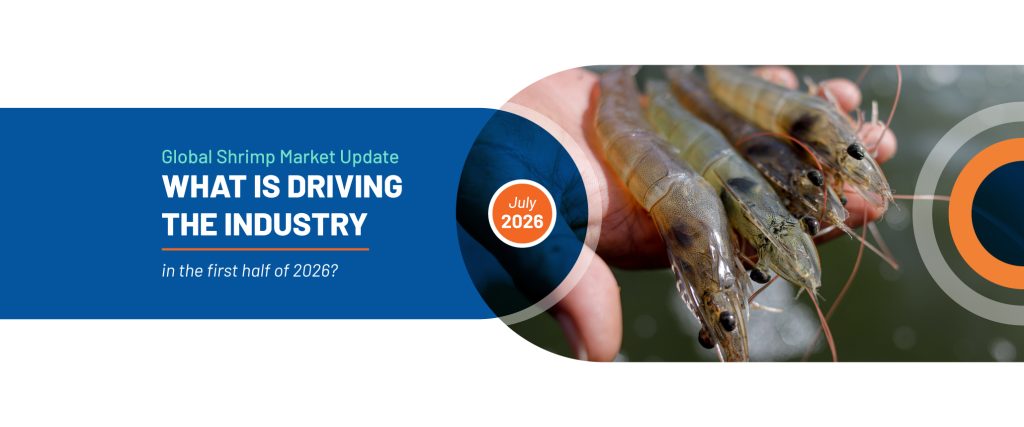
The global shrimp industry is navigating a complex landscape in the first half of 2026. While recovering demand in key markets brings optimism, producers and exporters are grappling with climbing logistics costs and fierce price competition. It is forecasted that companies prioritizing sustainable, resilient supply chains will be the ones to successfully redefine the market in the coming months.
The Bright Spot: China Leads Market Growth
China remains the standout performer this year, with a surging appetite for frozen shrimp and lobster that is opening new doors for exporters worldwide. Vietnam, for instance, shipped over USD 711 million worth of shrimp to China and Hong Kong in the first five months alone, a striking 46.4% jump from the same period last year. India is riding this wave too, cementing China as a vital growth engine for major producing nations.
Meanwhile, stable demand across Europe, Australia, Canada, and the UK is offering exporters a welcome safety net to reduce their dependence on a single market.
Cautious Waters in the U.S. Market
The U.S. market, however, tells a different story. In the first 4 months of 2026, total U.S. shrimp imports dipped by 11% in value, falling to roughly USD 2.05 billion. Inflationary pressures and shifting sourcing strategies have made buyers noticeably cautious.
We are seeing Ecuador aggressively capturing market share with highly competitive pricing, putting immense pressure on suppliers from India and Vietnam. Adding to the complexity, regulators in the U.S. are tightening food safety monitoring for imported seafood, meaning meticulous compliance is no longer optional, it is essential.
The Squeeze: Rising Freight and Operating Costs
Just as we have seen with past logistical hurdles, ocean freight rates spiked again through May and June, particularly on routes bound for North America and Europe. Frozen shrimp exporters are feeling the pinch from every angle, facing steeper costs for refrigerated containers, cold storage, and port handling.
The real challenge for the industry lies at the farm level. Farm-gate shrimp prices in several producing countries are lingering at relatively low levels despite climbing production costs. This painful gap between operating expenses and selling prices continues to severely squeeze profit margins across the board.
The Path Forward: Sustainability as a Competitive Edge
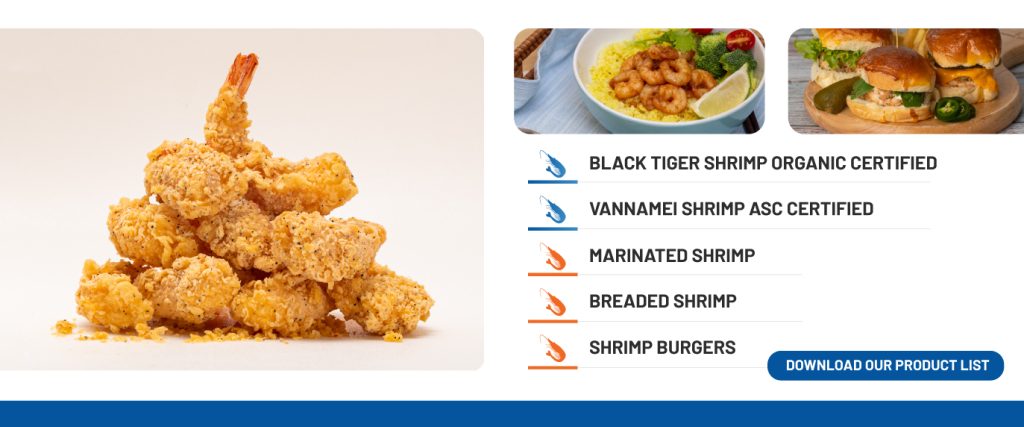
To navigate these turbulent waters, buyers, especially in Japan and Europe, are prioritizing purchases of shrimp with trusted certifications like ASC. Forward-thinking producers are investing heavily in biosecurity and advanced farming technologies, such as Bio RAS, to boost survival rates while actively reducing their environmental footprint. Rather than engaging in brutal price wars over raw shrimp, many companies are wisely expanding their portfolios into value-added products.
How LP Foods Can Support Your Business
With market demand slowing down in the first farming season of 2026, we predict a noticeable supply shortage moving into the second season.
In these uncertain times, LP Foods is positioned to help your business adapt and thrive. We focus on giving you complete peace of mind through:
- Consistent Quality & Responsible Sourcing: Our dedicated factory audit team is always on the ground, ensuring that every product meets our strict quality standards.
- Reliable Shipments & Price Stability: Our top priority is making sure your orders arrive on time, every time, with zero missed deliveries. We also guarantee stable annual pricing to protect you from sudden market changes.
- Active & Flexible Sourcing: We maintain a highly adaptable supply chain by sourcing our raw materials from Vietnam, Indonesia, India, Venezuela and Ecuador . This strategic flexibility allows us to seamlessly rotate our sourcing to meet the strict requirements of high-standard markets like the UK, Japan, EU and the US.
Backed by reliable sourcing, flexible processing capabilities, and custom packaging solutions, we help retailers, distributors, and food service partners deliver the exceptional, high-quality seafood that today’s discerning market demands.
Sources: Vietnam Association of Seafood Exporters and Producers (VASEP); Undercurrent News.

With a legacy of excellence since 1920, LP Foods connects the rich waters of Vietnam, India, and Indonesia to global markets, ensuring quality in every shipment.
See our other products
To discuss your specific requirements, please connect with us at: info@lpfoods.com.sg