NON CHEMICAL AND RESPONSIBLY SOURCED SEAFOOD

  • 私たちは3世代にわたって、世界中の小売店やレストランチェーンに高品質の水産物を供給してきました。

  • 私たちは、完全に認証され、専門的に監査されたサプライチェーンを提供します。倫理的でなければ、LPフーズではありません!
  • 私たちの製品をよくご覧ください:私たちは、お客様とともにタコと魚の専門知識を深めてきました。

  • 責任ある水産物輸入業者ですか?貴社の東南アジアのサプライチェーンについて、以下のような評価を受けてみませんか? 無料 !

当社の専門分野

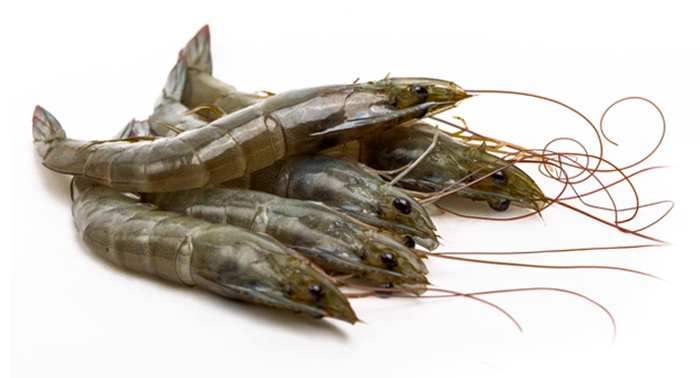
バナメイエビ

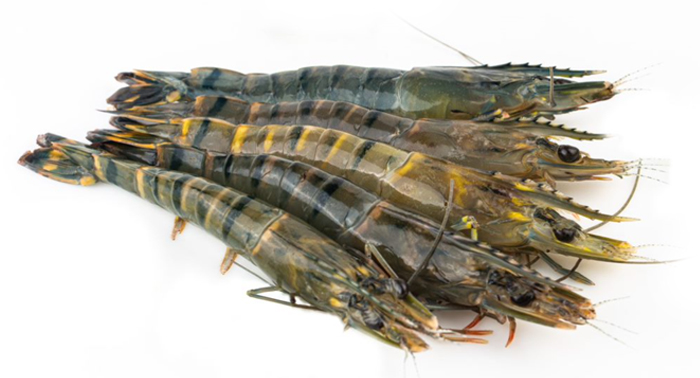
オーガニック・ブラックタイガー

プレミアム・オクトパス

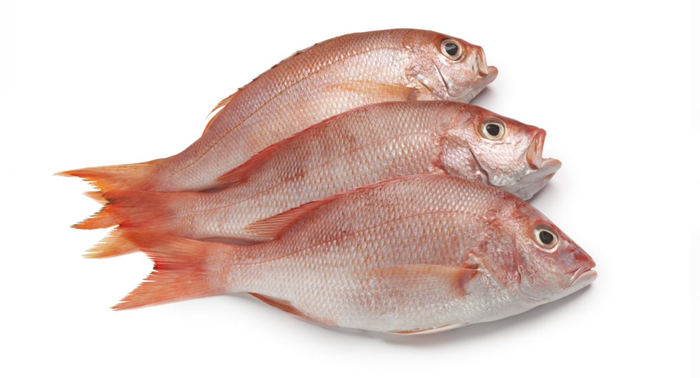
スナッパー

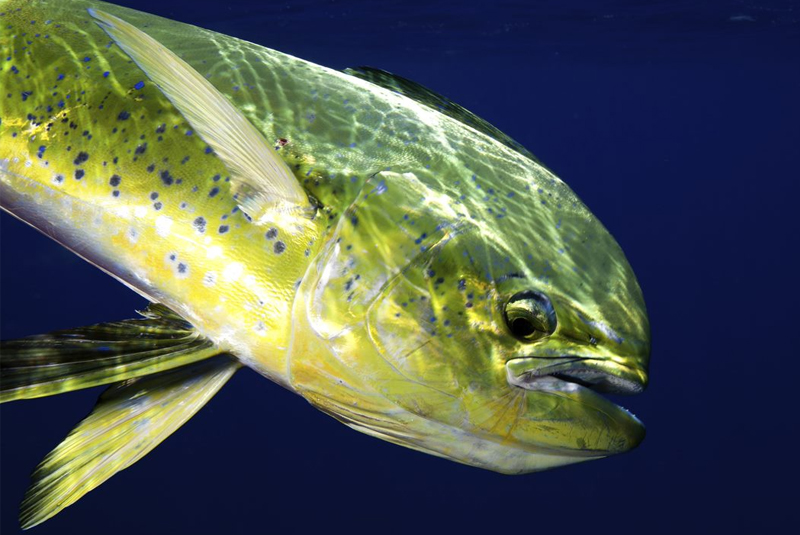
マヒマヒ

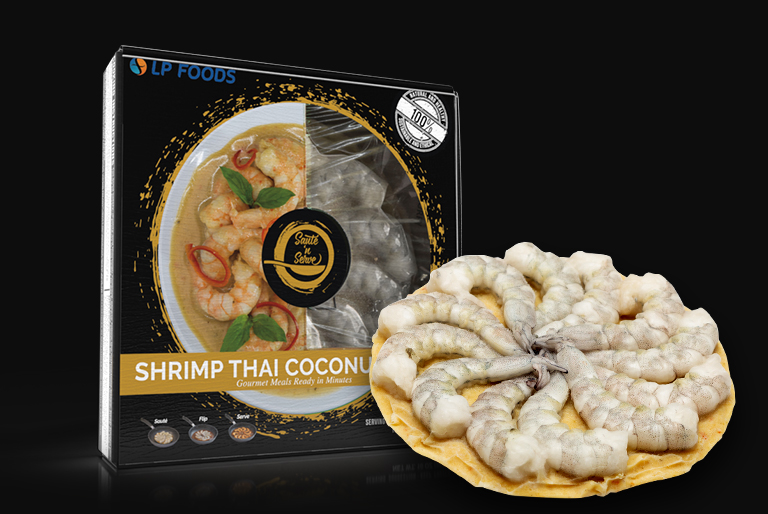
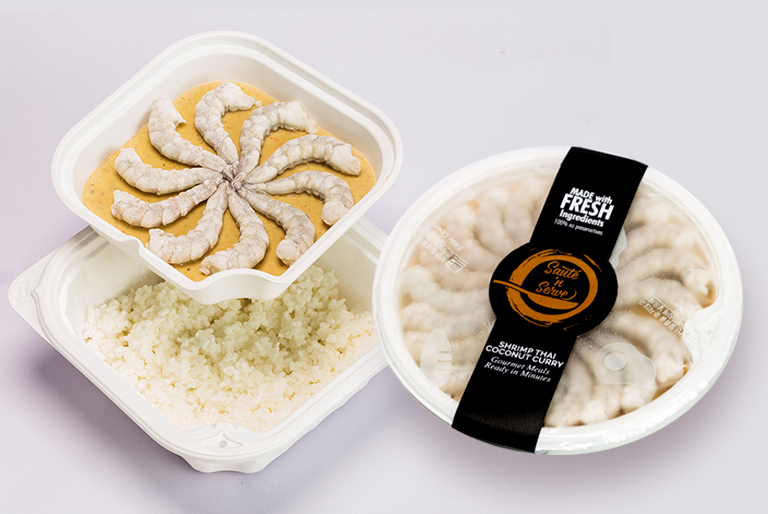
ソテー&サーブ
Ready to Cook
Chef-made Sauces

レンジでチン
Ready Meals
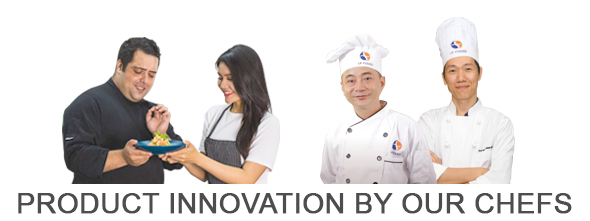
Chef-made Meals

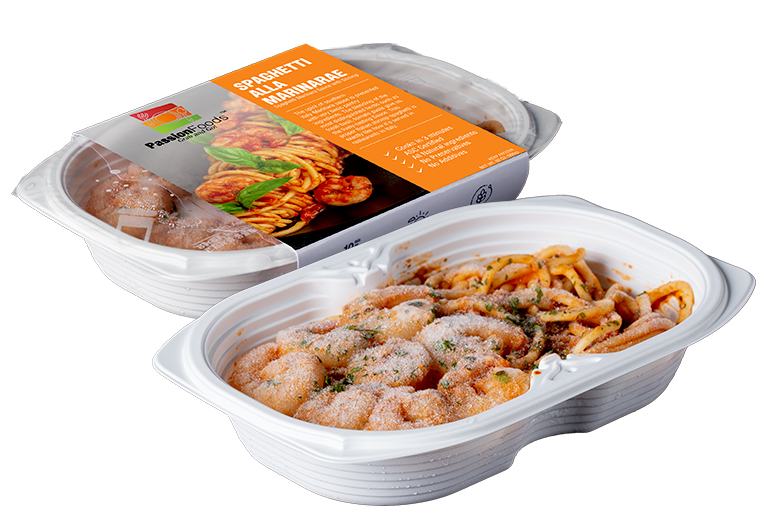
Flavors of Italy
Pasta Meals
Chef-made Sauces

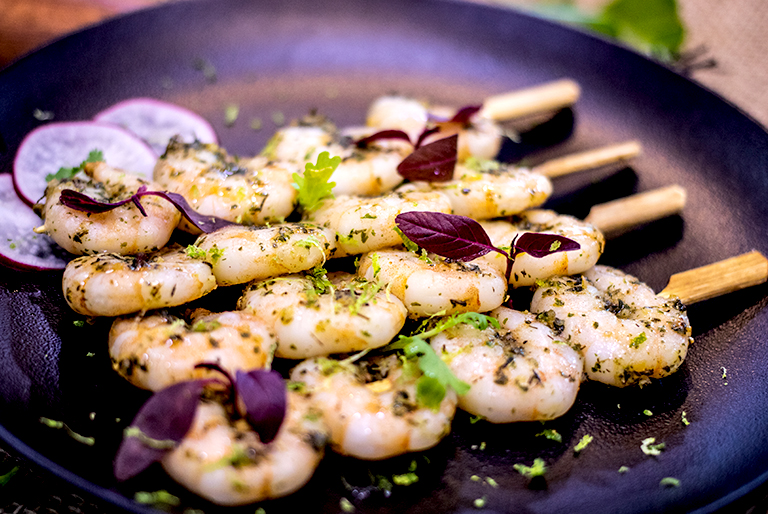
Gourmet Shrimp & Fish
Trendy Flavors
Chef Marinated

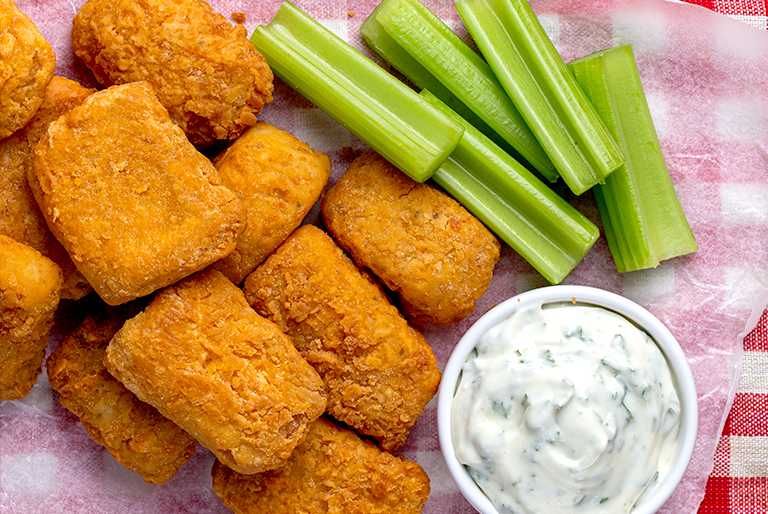
Great Breaded Fish
Top Quality

OUR CUSTOM BRAND

Sustainable Seafood, Snacks, Meals

LP FOODS IS BRCGS GRADE AA CERTIFIED

BRC
  • 食品安全および品質管理システムの社内レビューを定期的に実施する。
  • 堅牢なトレーサビリティ・システムが評価され、グレードAAを受賞。
  • An organization that is BRCGS certified is much more reliable and trustworthy than one that does not have the certification. This is to ensure that our products/materials are high quality, sustainably sourced, and that we have a supply chain that not only works but is well maintained.

Standards and systems operating within the factory have been evaluated against the requirements of The BRCGS Global Food Safety Standard (Issue 9) by a trained auditor sent by the appointed certification body (CB). The minimum grade is D (or D+ if the audit was unannounced) and eventual corrective action plans required must have been scrutinized and approved by the CB.

The factory needs to be able to name and demonstrate an understanding of them:

  • senior management commitment and continual improvement
  • the food safety plan – HACCP
  • internal audits
  • management of suppliers of raw materials and packaging
  • corrective and preventive actions
  • traceability
  • layout, product flow and segregation
  • housekeeping and hygiene
  • management of allergens
  • control of operations
  • labeling and pack control
  • training
    • Ask to see the Food safety and quality management (FS&QM) system:
      A comprehensive set of policies, procedures, work instructions to implement the BRC Standard
    • Pick some requirements at random and verify:
      A) what does the BRCGS Standard require the site to do?
      B) is there an equivalent policy / procedure / work instruction in the site’s FS&QM system?
      C) what is the site actually doing and is it complying with its own FS&QM?
    • Ask to see the factory’s food safety risk assessments:
      Any activity which could have an influence on food safety must be risk-assessed to ensure that there are controls in place;
    • Speak to the workers as you tour the site.
      If they have been well trained they should be able to clearly explain their responsibilities, particularly those that relate to food safety. Be wary of sites which only allow you to speak to members of the management team;
    • Ask to see a summary of the site’s latest key performance measures
      It is key that they demonstrate that there is a plan in place to address any problems such as customer complaints, product withdrawals, internal audits, finished product and environmental micro results;
    • Evaluate a factory using all of the senses:

      [EYES] does it look clean, tidy and well organized? Are records clear, complete and genuine?
      [NOSE] does it smell clean or temperature, cleaning, waste management could be an issue ?
      [EARS] ask questions to multiple managers and employees for truthfulness then verify them during your visit to factory!

    1. The BRCGS Standard is all about food safety.

    Standards and systems operating within the factory have been evaluated against the requirements of The BRCGS Global Food Safety Standard (Issue 9) by a trained auditor sent by the appointed certification body (CB). The minimum grade is D (or D+ if the audit was unannounced) and eventual corrective action plans required must have been scrutinized and approved by the CB.
    1. There are 12 fundamental clauses to the standard:

    The factory needs to be able to name and demonstrate an understanding of them:

    • senior management commitment and continual improvement
    • the food safety plan – HACCP
    • internal audits
    • management of suppliers of raw materials and packaging
    • corrective and preventive actions
    • traceability
    • layout, product flow and segregation
    • housekeeping and hygiene
    • management of allergens
    • control of operations
    • labeling and pack control
    • training
    1. Tips to evaluate the BRCGS ‘performance’ when visiting a factory:
    • Ask to see the Food safety and quality management (FS&QM) system:
      A comprehensive set of policies, procedures, work instructions to implement the BRCGS Standard
    • Pick some requirements at random and verify:       
      A) what does the BRCGS Standard require the site to do?
      B) is there an equivalent policy / procedure / work instruction in the site’s FS&QM system ?
      C) what is the site actually doing and is it complying with its own FS&QM ?
    • Ask to see the factory’s food safety risk assessments:
      Any activity which could have an influence on food safety must be risk-assessed to ensure that there are controls in place;
    • Speak to the workers as you tour the site.
      If they have been well trained they should be able to clearly explain their responsibilities, particularly those that relate to food safety. Be wary of sites which only allow you to speak to members of the management team;
    • Ask to see a summary of the site’s latest key performance measures
      It is key that they demonstrate that there is a plan in place to address any problems such as customer complaints, product withdrawals, internal audits, finished product and environmental micro results;
    •  Evaluate a factory using all of the senses:
      [EYES] does it look clean, tidy and well organized? Are records clear, complete and genuine?
      [NOSE] does it smell clean or temperature, cleaning, waste management could be an issue ?
      [EARS] ask questions to multiple managers and employees for truthfulness then verify them during your visit to factory!

    OUR STORY - ITALIAN LEGACY

    Milestone1

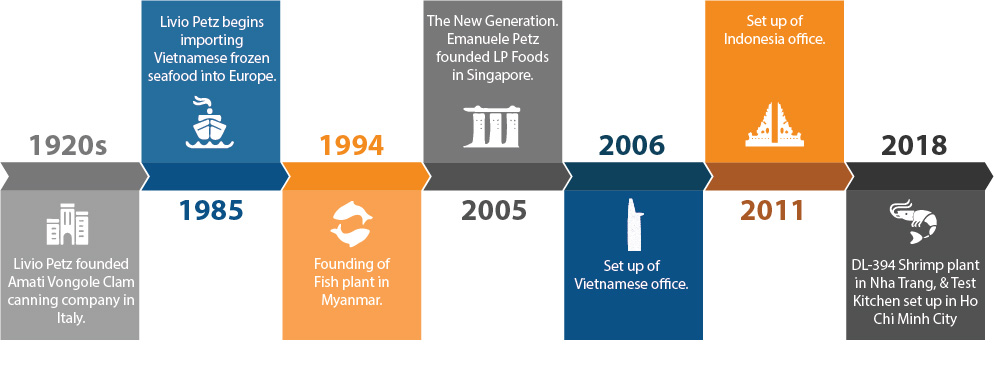
    1920年代から

    1920年代以来、LPフーズの遺産は、ヨーロッパにおけるアサリの加工と缶詰製造のパイオニアであり、80年代にはアメリカや日本の大手企業に積極的に輸出した、尊敬すべき実業家アマティ・ヴォンゴレに遡る。

    Pioneers in Frozen Seafood

    In the mid 1980s, Livio Petz (Amati’s Production Manager) embraced frozen seafood business and pioneered clam exports from Vietnam to Italy, as well as squid and other major items. He was considered among the first major contributors to the flourishing of the local seafood export market, and his suppliers grew to be today’s Vietnam giants. 

    責任ある調達プログラム

    TESTIMONIAL

    Product Enquiry: Home LP

    Thank you for your interest in our Home LP

    シーフードに関するご質問お問い合わせ

    私たちはすべての答えを持っています!お気軽にお問い合わせください。お電話、またはEメールにてご連絡ください。

    それよりも、私たちに直接会いに来てください

    ホーチミン事務所
    35グエン・フエ通り ベンゲー区、1区、 ホーチミン市, ベトナム
    シンガポール事務所
    オーチャード・ロード360、インターナショナル・ビルディング#10-08、シンガポール238 869

    メールでのお問い合わせ

    info@lpfoods.com.sg

    お電話ください

    ベトナム:+84 28 3827 0098
    SG: +65 6836 2527

    営業時間

    月曜日~金曜日

    Download LP Foods Brochure

    You will be receiving our exclusive brochure after filling out the required field below. 

    シーフードに関するご質問お問い合わせ

    私たちはすべての答えを持っています!お気軽にお問い合わせください。お電話、またはEメールにてご連絡ください。

    それよりも、私たちに直接会いに来てください

    ホーチミン事務所
    35グエン・フエ通り ベンゲー区、1区、 ホーチミン市, ベトナム
    シンガポール事務所
    オーチャード・ロード360、インターナショナル・ビルディング#10-08、シンガポール238 869

    メールでのお問い合わせ

    info@lpfoods.com.sg

    お電話ください

    ベトナム:+84 28 3827 0098
    SG: +65 6836 2527

    営業時間

    月曜日~金曜日

    私たちはスパムはしません!私たちの プライバシーポリシー 詳細はこちら。